Compare panel upgrades
Reliable Electrician Services for Secure and Effective Residential Electrical Work
Trusted electrician contractors play an important role in upholding the safety and efficiency of home wiring. These professionals provide compliance with safety standards, reducing the risk of hazards such as electrical fires. Homeowners commonly fail to notice signs that indicate the need for professional assistance. Being aware of these signs is imperative. What should one identify when considering a approved electrician? The implications of not addressing this can be major.
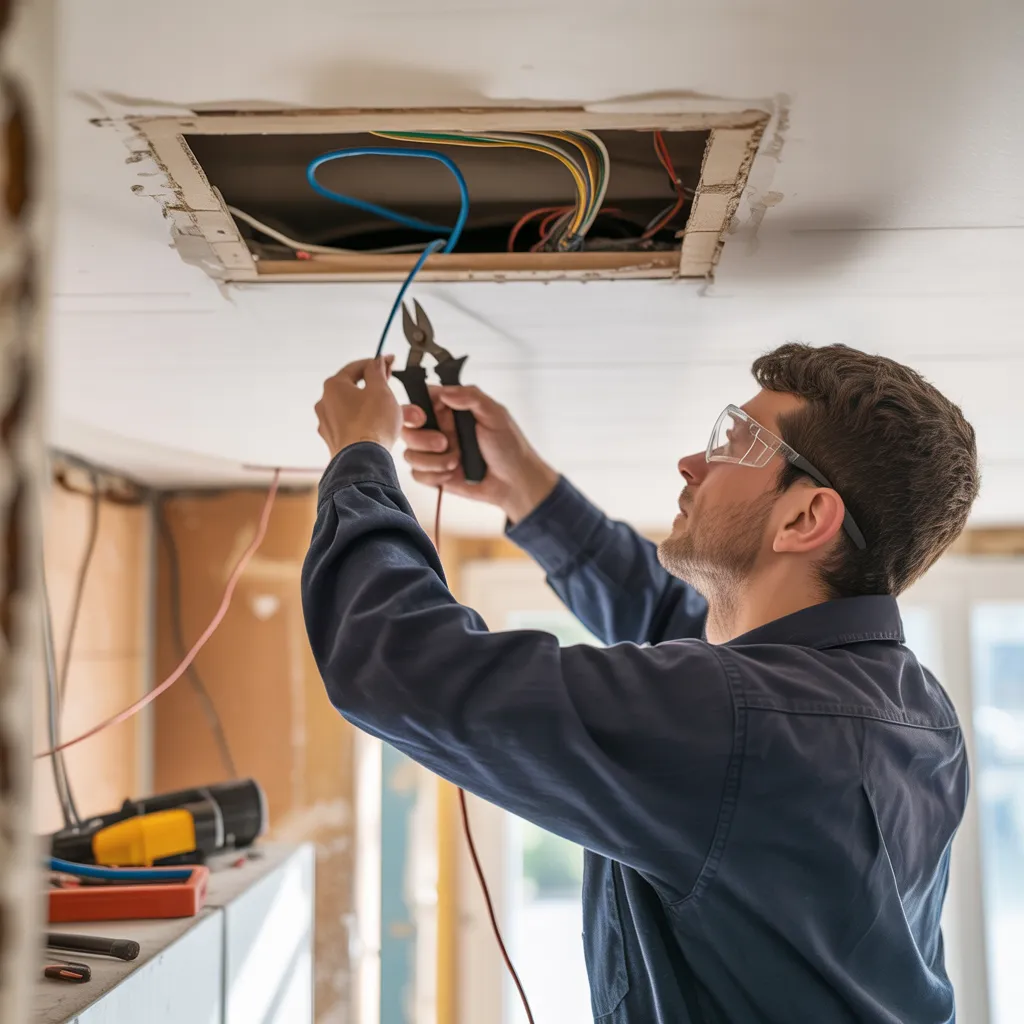
Why Professional Electrician Services Are Crucial for Your Home
Why are professional electrical services essential for maintaining a safe and operational home? These offerings validate that electrical systems are installed and maintained adhering to strict safety standards. Certified electrical professionals possess the expertise to address complex electrical work, preventing risks such as fire hazards, electrical shocks, and system failures. Their understanding of local codes and regulations assures compliance, further shielding homeowners from likely legal troubles.
Additionally, certified electrical professionals can recognize shortcomings in existing installations, proposing upgrades that increase power savings and decrease utility expenses. They are able to fix complications rapidly, reducing service interruptions and bringing systems back online. By choosing professional electrical services, homeowners experience assurance knowing their electrical infrastructure are safe, reliable, and optimized for performance. In essence, collaborating with experienced electricians strengthens not only security but also the general standard of living inside the house.
Signs You Should to Contact a Licensed Electrical Professional
Understanding when to call a licensed electrician can prevent minor issues from turning into major problems. Homeowners ought to be alert of several vital signs indicating the need for professional assistance. Frequent trips of circuit breakers can suggest overloaded circuits or malfunctioning wiring. Flickering lights may indicate underlying electrical troubles that require immediate attention. Furthermore, any indications of burning smells or scorch marks around outlets are serious warnings that should not be disregarded.
A further clue is a rise in energy costs absent any apparent cause, which may suggest system problems or malfunction. If there are non-responsive outlets that remain unresponsive after repairs attempted, it is necessary to speak with an expert. Finally, any DIY electrical undertakings that feels unfamiliar or unknown should be tackled by a licensed professional electrician to confirm safety and adherence with local regulations. Swift intervention can protect both the occupants and property.
How to Locate the Suitable Electrician for Your Needs
Picking the right electrical contractor can seem overwhelming, but several critical elements can simplify the process. First, verify credentials and licenses, confirming the electrician complies with local rules and guidelines. This validation is vital for protection and assurance. Next, think about background; electricians with a solid reputation in residential wiring typically handle issues more productively.
Moreover, requesting suggestions from peers or online reviews can provide helpful information into the electrician's reliability and quality of work. It's also wise to inquire regarding warranties on services and materials, as this reflects confidence in their work.
Ultimately, confirm open communication concerning project deadlines and objectives. An electrician who considers problems and answers questions is more apt to deliver satisfactory results. By stressing these critical benchmarks, homeowners can make well-informed picks and find an electrician who fulfills their distinct needs successfully.
Examining Expenses for Electrical Services
In what manner can property owners efficiently assess expenses for electrical work? To start, they must get several quotes from qualified electricians, guaranteeing a selection of pricing options. This method permits review and greater understanding of industry pricing. Homeowners must ask about the fee structure, which may consist of hourly rates or flat project costs, coupled with any supplementary expenses for materials or licensing.
Next, it's important to clarify what is included in the estimate, as detailed estimates can prevent unexpected expenses. Homeowners should also consider the electrician's experience and reputation, as reduced prices may sometimes indicate lesser quality. Additionally, researching local average costs for particular work can offer a standard for evaluating estimates. Finally, homeowners should be cautious of prices that seem unusually low, as they may suggest subpar service or hidden charges. By following these steps, homeowners can make informed decisions regarding their electrical service needs.
Guidelines for Ensuring Safe and Efficient Home Wiring
Upon reviewing costs for electrical services, maintaining safe and efficient home wiring becomes a priority for homeowners. Periodic reviews by qualified electricians can identify potential hazards, such as frayed wires or outdated systems. Homeowners should also observe circuit breakers; frequent tripping may indicate underlying issues that need immediate attention.
Additionally, preventing circuit overload is critical for safety. Connecting multiple appliances to one outlet may lead to fire hazards and heat buildup. Homeowners are encouraged to use protective suppressors to guard delicate electronics from electrical spikes.
Furthermore, keeping unobstructed access to electrical panels and outlets confirms that emergencies can be tackled rapidly. It is also smart to replace any deteriorated or frayed extension cords right away. Finally, homeowners should educate themselves on basic electrical safety practices, strengthening overall consciousness and fostering a more secure home.
Benefits of Upgrading Your Home's Electrical System
Enhancing a home's electrical system brings several advantages that can significantly improve the household space. Strengthened safety standards help minimize electrical dangers, while enhanced energy performance can lead to lower utility bills. Plus, a contemporary system can strengthen property value, making it a strategic investment for property owners.
Improved Protection Standards
As homeowners prioritize safety, upgrading an electrical system becomes essential for mitigating issues related to outdated wiring and components. Modern electrical systems meet enhanced safety standards, greatly reducing the risk of electrical fires, shocks, and malfunctions. By replacing old wiring, circuit breakers, and outlets, examination householders guarantee compliance with modern regulations, minimizing potential hazards. New installations often offer ground fault circuit interrupters (GFCIs) and arc fault circuit interrupters (AFCIs), which provide added degrees of protection. Additionally, an upgraded system can better accommodate modern appliances and technology, limiting the risk of overloads. Ultimately, investing in stronger safety standards not only protects residents but also contributes to long-term peace of mind regarding home safety and reliability.
Enhanced Power Efficiency
Revamping a domestic electrical system can result in significant power-saving improvements. Refurbishing outdated wiring and installing energy-efficient fixtures reduces power consumption, decreasing utility bills. Modern systems typically support smart technology, enabling homeowners to monitor and manage energy use more effectively. Enhanced insulation of electrical components minimizes energy loss, ensuring that less power is wasted. In addition, replacing old appliances with Energy Star-rated models further enhances efficiency, since these devices are designed to consume less electricity. Overall, a well-maintained electrical system not only enhances performance but also fosters sustainable living, making it a valuable investment for environmentally conscious homeowners. Energy efficiency upgrades eventually create a more convenient and cost-efficient living environment.
Increased Property Valuation
A modern electrical system considerably increases a home's market value, making it an attractive feature for potential buyers. Upgrading wiring, outlets, and fixtures not only complies with modern safety standards but also supports advanced technology, such as smart home systems. Homes with upgraded electrical systems can demand higher prices and sell faster, as buyers value safety and efficiency. Moreover, a carefully maintained electrical system reduces the risk of expensive repairs, which is beneficial to future homeowners. This upgrade can also reduce insurance premiums, further adding to the property's value. Ultimately, investing in an enhanced electrical system is a prudent choice that significantly improves a home's marketability and overall value.
Standard Electrical Troubles and How Electricians Address Them
Common electrical concerns can interfere with daily life and pose safety risks. Regular breaker failures, flickering or dim lights, and possible fire dangers from electrical systems are among the most prevalent problems homeowners experience. Electricians apply various approaches to identify and fix these issues, guaranteeing a safe and efficient electrical system.
Frequent Circuit Breaker Trips
When homeowners experience frequent circuit breaker trips, it often indicates underlying electrical problems that require professional attention. These trips can arise from multiple causes, including overloaded circuits, short circuits, or defective wiring. An overloaded circuit happens when too many devices draw power at the same time, exceeding the circuit's limit. Short circuits happen when a live wire touches a neutral wire, generating a surge that the breaker identifies. Additionally, outdated or damaged wiring can contribute to instability, leading in repeated trips. Electricians typically diagnose the problem by examining the circuit layout and evaluating the load requirements. They may recommend reallocating devices, repairing faulty wiring, or upgrading circuit breakers to ensure safety and performance in the home's electrical system.
Blinking or Low Lights
Flickering or dim lights often suggest electrical problems that may need immediate consideration. Typical reasons consist of loose wires, defective bulbs, or an overtaxed electrical system. Electrical professionals typically start by examining the light fixtures and bulbs to confirm proper setup and functionality. If the bulbs are not the issue, they will look for loose electrical lines or connections in the system, which can lead to inconsistent power supply. In addition, electrical experts assess the circuit load to figure out if an excessive number of devices are drawing power, possibly causing dimming. Resolving these issues not just brings back consistent lighting but furthermore enhances overall electrical safety in the home, avoiding additional problems down the line. Prompt professional intervention is essential for successful fixing.
Electric Flame Hazards
Numerous homes experience significant risks from electrical fire hazards, often caused by problems including outdated wiring, overburdened circuits, and unsafe use of extension cords. Overheating and possible ignition sources can arise due to these problems, so it is essential for homeowners to address them without delay. To guarantee compliance with safety standards, qualified electricians regularly inspect wiring systems and update outdated components. They further evaluate circuit loads and rebalance power to avoid overloads. Guidance is also given by electricians on the safe use of extension cords, making sure they are not employed as permanent solutions. By identifying and rectifying these hazards, electricians play a key role in safeguarding homes from electrical fires, improving both safety and efficiency in residential wiring.
Common Questions Posed Regularly
Which Standards Should I Evaluate in an Electrician?
When seeking an electrician, one should concentrate on proper qualifications, proper licensing, adequate insurance, and experience. Additionally, client testimonials and compliance with safety standards can reveal competence and dependability in their work.
How Can I Confirm an Electrician's Certification and Protection?
To establish an electrician's license and insurance, one should communicate with the local regulatory office and request documentation. Additionally, consulting online databases or requesting paperwork directly from the electrician can provide further assurance of their qualifications.
Can You Obtain Immediate Electrician Assistance 24/7?
Emergency electrical professional services are often available 24/7, providing immediate help for pressing electrical problems. Homeowners should confirm specific access hours with local companies, as hours may vary between companies and regions. Quick response is essential.
What Are the Typical Protection on Electric Work?
Typical warranties on electrical services range from one to five years, based on the service provider and the particular project. These warranties typically include labor and may include parts, ensuring customer satisfaction and protection against defects.
What Can I Do to Prepare for an Electrical Professional's Appointment?
In advance of an electrician's visit, you should tidy up the workspace, guarantee easy access to outlets and panels, gather any necessary documentation, and discuss particular worries or work specifications prior to the appointment for efficient communication.